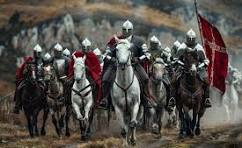
Friday the 13th is widely known in popular culture as a day associated with superstition and bad luck. However, within the study of Masonic history and symbolism, the date carries a different and more historically grounded significance. The association traces back to one of the most dramatic events in medieval European history, the arrest of the Knights Templar on Friday, October 13, 1307.
The Knights Templar were a powerful military and religious order founded in the early twelfth century to protect Christian pilgrims traveling to the Holy Land during the Crusades. Over time, the order became wealthy and influential across Europe. Their extensive network of properties, financial systems, and military strength made them one of the most prominent organizations of the medieval world.
However, their power eventually drew suspicion and hostility. King Philip IV of France, who was heavily indebted to the Templars, saw an opportunity to eliminate the order and seize its assets. On Friday, October 13, 1307, Philip ordered the mass arrest of Templar members throughout France. Many were imprisoned, interrogated, and accused of heresy under intense pressure and torture. The order was eventually suppressed by the papacy in 1312.
Over the centuries, this event became linked to the superstition surrounding Friday the 13th. While historians debate how directly the arrests influenced the modern superstition, the date has nevertheless remained tied to discussions of medieval history, chivalric orders, and the dramatic fall of the Templars.
Within Masonic tradition, the Knights Templar are remembered through the chivalric bodies of York Rite Masonry, where their legacy is symbolically preserved in the Orders of Knighthood. Although modern Freemasonry is not a direct continuation of the medieval Templar order, the historical story and ideals of courage, faith, and loyalty associated with the Templars have long been reflected in Masonic teachings.
Thus, rather than viewing Friday the 13th only through the lens of superstition, it can also serve as a moment to reflect on an important chapter of medieval history and the enduring traditions that continue to inspire Masonic thought and education today.